Services and Repairs
BRIDGE RE-GLUE GUITAR REPAIR
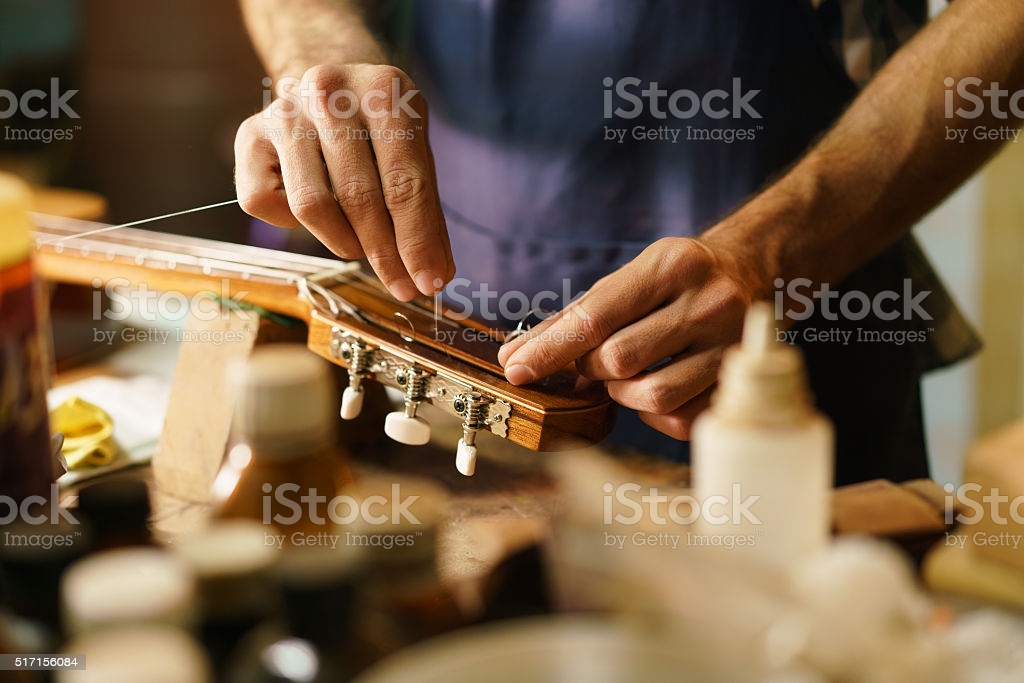
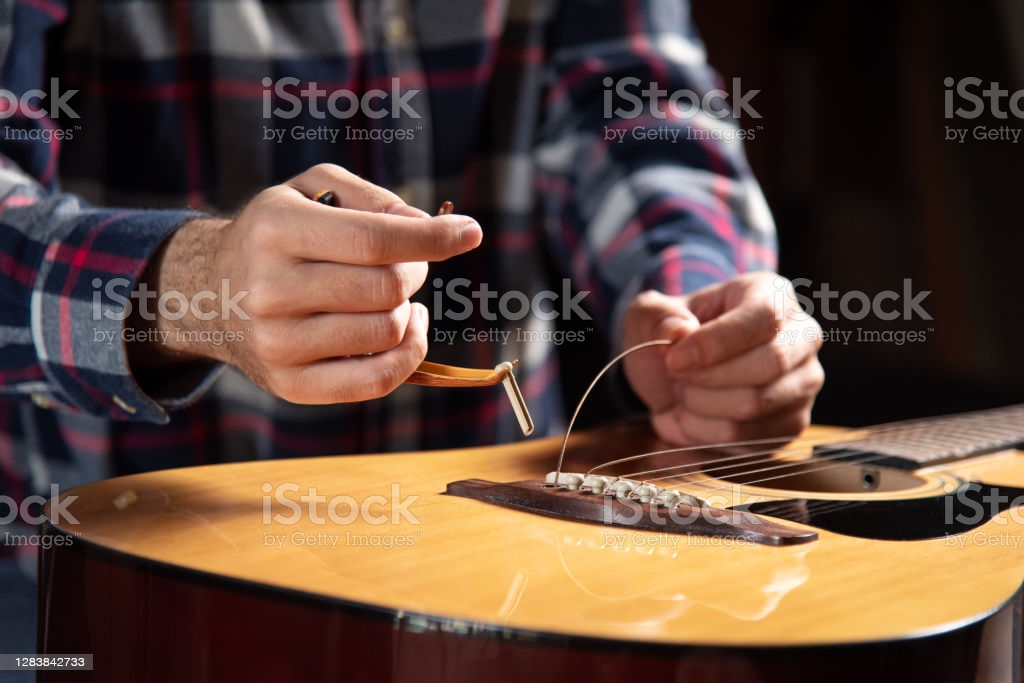
A bridge reglue guitar repair is required when the bridge of an acoustic guitar has lifted off from the top of the guitar due to the glue failing under the string tension of the guitar. This is a common repair on classical or nylon-stringed guitars and on some steel-string guitars. The best way to avoid this type of Guitar Repair on your acoustic guitar is to make sure your guitar is kept away from extreme temperatures as this can often affect the glue holding the bridge to the top of the guitar. For example, if your guitar is left in your car on a hot sunny day for an extended period of time, the glue underneath the bridge can fail due to high temperatures. If this does happen to your guitar, our guitar repairer will be able to glue down the bridge again in most cases but as they say, prevention is always better than cure.
CRACKLING INPUT-JACK GUITAR REPAIR
This type of Guitar Repair relates to electric guitars and electric/acoustic guitars and occurs when the input jack makes a crackling type of noise when the guitar is plugged in to an amplifier. To identify a ‘crackling jack’ you can wiggle the guitar cable so that it moves inside the input jack. If you notice that the crackling sound gets worse when you do this, then it’s most commonly the input jack causing the issue. To perform an input jack guitar repair, the guitar repairer will typically either clean the jack or replace the jack entirely to solve the problem. This problem is often caused by corrosion and dirt inside of the input jack and can be prevented by keeping your guitar inside it’s case.
FRET BUZZ GUITAR SERVICE
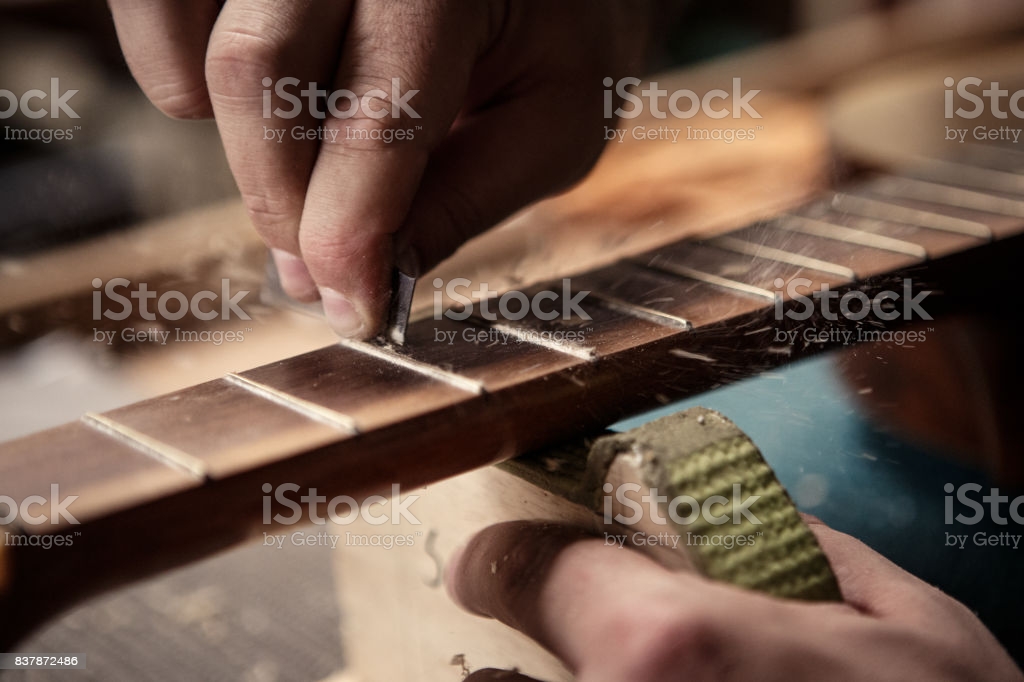
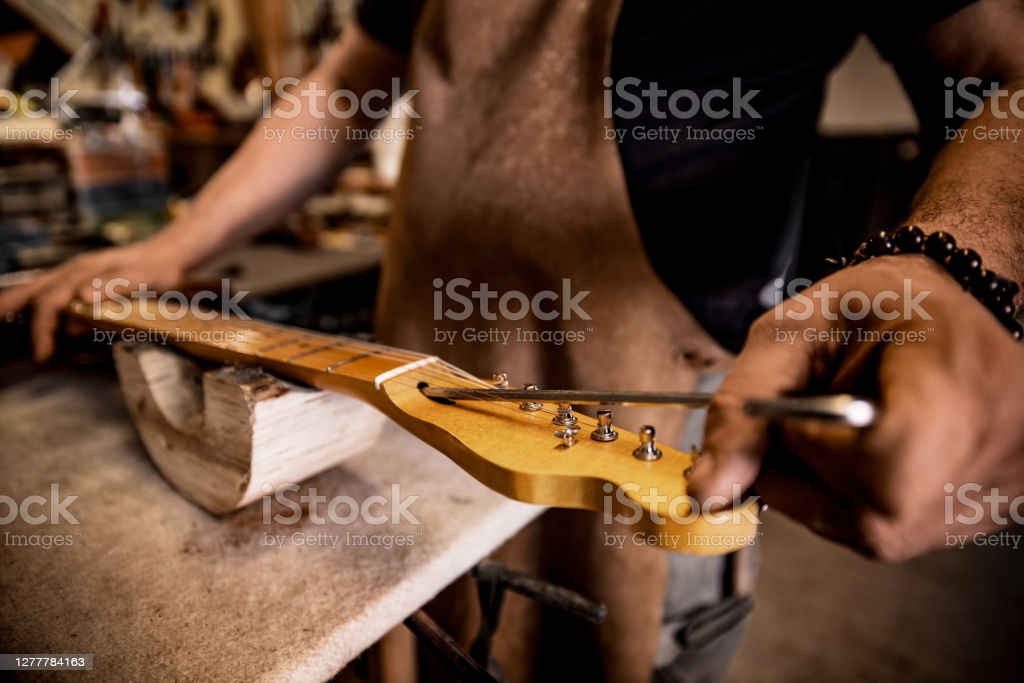
One of the most common reasons guitarists bring in their axe to our guitar repair shop is due to fret buzz. This happens when the strings buzz on the frets creating an annoying buzzing sound. The cause of fret buzz can be due to a few factors, most commonly it’s due to either the action (string height) being too low, the neck being bowed or uneven frets. In the event of the action being too low, our guitar repairer would typically raise the action at the bridge of the guitar while also sighting the neck to make sure the neck is straight. In the event of a bowed neck, our guitar repairer will typically adjust the truss-rod, which is the long metal rod which sits underneath the fretboard, to straighten the neck. In the event of uneven frets where some frets are higher than others, our guitar repairer will typically conduct a pro-setup guitar service which entails ‘dressing’ the tops of the frets with a flat file to make sure all of the frets are even again. The guitar repairer will then re-crown the frets individually and sand the frets before polishing them. This process is a lot more involved than a basic guitar service.
BROKEN NECK RE-GLUE GUITAR REPAIR
This is one of those guitar repair jobs which just plain breaks your heart. With this type of guitar repair the neck will have typically been broken from a falling off a stand, being dropped by the guitarist (or roadie) or sometime during a flight from Sydney to LAX. If a guitar takes a significant impact, the neck is the most common place to break due a few factors such as the weight of the body, string tension and the angle of the headstock. In this case, provided the neck has a relatively clean break, the reglue process is fairly straight forward for our guitar repairer. The guitar repairer will typically use a special kind of glue and custom clamps during the re-glue process to ensure the best outcome. The process can become much more difficult if the neck has been reglued before and failed which is why it’s important to take your damaged guitar to a reputable guitar repair shop.
RE-FRET GUITAR REPAIR
Fret wear often occurs when a guitar has been played extensively and is more common on older instruments or on guitars who belong to professional guitarists. Due to the extensive use, the frets often ware on certain points on the fretboard, typically where the 1st, 2nd and 3rd strings reside and on the 1st, 2nd and 3rd frets where the majority of playing takes place. In this case, there are two main methods to fixing extreme fret wear. The first is to conduct a pro-setup guitar service which we mentioned in the fret-buzz service stage. In this case the guitar repairer ‘dresses’ the tops of the frets with a flat file to remove any fret-ware. The guitar repairer will then typically re-crown the frets again afterwards. In more extreme cases it is necessary to conduct a re-fret where the guitar repairer will remove all of the frets from the fretboard and replace them with new frets. This type of guitar repair is quite involved and only the most experienced luthiers can do this sort of work.